For growing businesses, relying on third-party suppliers and contract manufacturers is often a practical way to scale early without heavy capital requirements. However, as order volumes surge and product complexity increases, outsourcing can quickly erode profitability. Third-party vendors add their own profit markups to every unit produced, while extended lead times and variable quality standards can frustrate customer expectations. Taking production in-house transforms manufacturing from an external expense into a core operational strength. By assuming direct responsibility for production, companies unlock substantial financial advantages that drive long-term top-line and bottom-line growth.
Eliminating third-party markups is only the beginning of how internal production expands margins. Owning your end-to-end manufacturing process allows for total schedule control, rapid prototyping, custom product offerings, and stringent quality assurance. When products are built under your direct supervision, defects decline, scrap rates drop, and brand reputation flourishes. This strategic pivot enables enterprises to capture higher profit margins per unit, protect proprietary technology, and swiftly pivot to meet changing market demands.
Transitioning from an outsourced model to internal operations requires careful physical planning, operational expansion, and strategic capital investment. By establishing robust internal processes and managing facility infrastructure effectively, companies can turn manufacturing capacity into a powerful driver of recurring business growth.
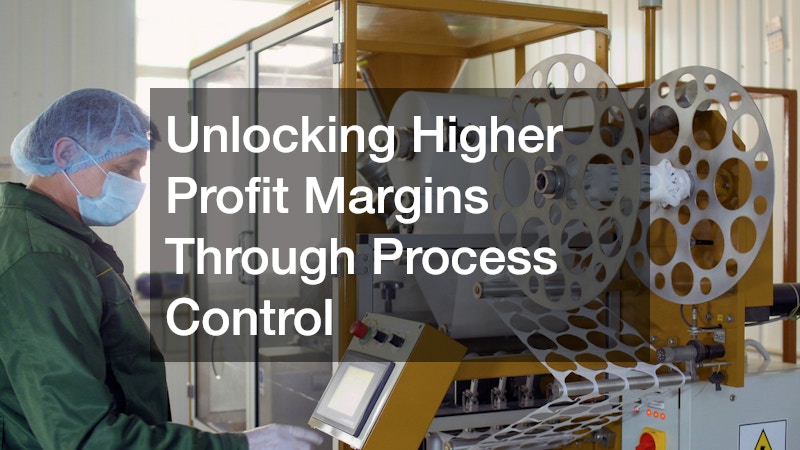
Unlocking Higher Profit Margins Through Process Control
Eliminating Third-Party Vendor Markups
Outsourcing production means paying for a contract partner to cover their labor, overhead, facilities, and profit margins on top of your base material costs. Bringing operations under your own roof immediately reclaims those profit layers. Direct purchasing of raw materials in bulk combined with internal assembly lowers your cost of goods sold, expanding gross margins on every unit sold.
Transitioning your plant infrastructure efficiently relies on maintaining clean, accessible work zones. Coordinating with commercial roll off dumpsters helps clear legacy packaging, structural waste, and outdated inventory to keep your main floors lean and safe. When your facility operates without spatial bottlenecks, throughput increases, enabling your workforce to hit target yield numbers faster and driving unit production costs down to maximum profitability.
-
Direct material sourcing eliminates middleman fees on raw supplies.
-
In-house scheduling minimizes expensive rush fees often charged by contract shops.
-
Bulk purchasing power improves as your total production volume grows under one roof.
Reducing Costly Defect and Rework Rates
Third-party manufacturers balance dozens of client orders at once, which can lead to rushed quality control checks and inconsistent output. In-house production lets you implement strict quality assurance protocols at every point along the assembly line. Catching defects early prevents costly scrap, customer returns, and warranty claims that drain revenue.
Ensuring your finished goods perform reliably across extreme temperature and humidity conditions is vital for high-spec items. Utilizing dedicated environmental chamber testing allows engineering teams to stress-test components on site before mass assembly. By catching material flaws in-house rather than in the field, you protect your brand reputation, lower return rates, and keep customer lifetime value high.
-
Immediate feedback loops between assembly workers and engineers fix errors fast.
-
On-site testing reduces the time and expense of shipping failure samples to external labs.
-
Consistent output quality reduces customer service calls and warranty replacement costs.
Accelerating Speed to Market and Product Innovation

Rapid Prototyping and Iteration Cycles
When product design relies on external machine shops, simple design tweaks can stall for weeks while waiting for vendor availability. In-house operations remove communication lag and allow engineering and production teams to work side by side. Designers can test a new configuration, build a physical prototype, and refine specifications within a single afternoon.
Upgrading your shop floor capability with specialized Manufacturing Equipment gives your team direct access to advanced toolmaking, milling, and assembly tools. This hands-on access shortens development timelines dramatically, allowing your business to launch innovative product variations ahead of competitors and capture early market share at premium price points.
-
Real-time design modifications prevent costly production delays during launch phases.
-
In-house tooling capability allows for quick adjustments to changing market trends.
-
Cross-functional collaboration fosters creative problem-solving directly on the plant floor.
Capitalizing on Customization and Niche Orders
Outsourced suppliers thrive on massive, standardized production runs and frequently penalize customers with steep surcharges or high minimum order quantities for custom modifications. In-house production provides the operational flexibility to offer tailored product options, bespoke features, and short runs without sacrificing line efficiency.
Offering customized products allows sales teams to target high-margin niche markets and charge premium pricing for tailored solutions. Because your operational setup can flex dynamically between standard lines and specialty runs, your business secures high-value contracts that competitors locked into rigid third-party arrangements simply cannot serve.
-
Variable order sizes allow you to serve smaller clients without high minimum penalties.
-
Custom configurations create upselling opportunities that significantly boost average order values.
-
Flexible line switching lets you run short promotional runs without disrupting standard output.
Protecting Intellectual Property and Brand Integrity

Securing Proprietary Designs and Manufacturing Secrets
Entrusting core product designs to external vendors always carries the risk of intellectual property theft, unauthorized reverse engineering, or trade secret leaks. Maintaining production internally ensures trade secrets, custom tooling, and unique chemical or mechanical formulas stay strictly protected behind your company walls.
Physical security and controlled access zones are critical to safeguarding your operational technology. Scheduling professional commercial metal door installations ensures sensitive assembly areas, data centers, and specialized laboratories remain accessible only to authorized personnel. Securing your physical layout protects unique manufacturing techniques and trade secrets, preserving your exclusive market advantage and distinct revenue streams.
-
Internal operations prevent contractors from using your designs for competing products.
-
Restricted access points keep visitors and non-essential staff away from proprietary setups.
-
Direct control over data networks protects digital schematics and automated production codes.
Maintaining Consistent Quality Standards
A single batch of substandard products from a third-party manufacturer can alienate loyal buyers and diminish your brand image. In-house manufacturing gives your leadership total authority over raw material sourcing, production standards, and final inspection workflows.
Consistently delivering reliable, flawless products reinforces consumer trust and justifies premium pricing models. Over time, this reputation for uncompromised quality turns one-off buyers into long-term accounts, generating steady, predictable revenue through repeat orders and word-of-mouth referrals.
-
Direct oversight guarantees that all components meet strict material specifications.
-
Brand reputation remains solid, encouraging customer loyalty and repeat contract wins.
-
Standardized internal training ensures consistent assembly methods across every shift.
Managing Operational Expansion and Infrastructure Costs
Scaling Facilities for Production Expansion
Moving manufacturing operations in-house requires expanding physical real estate to house production lines, staging bays, and warehousing space. Upgrading existing commercial properties or clearing newly acquired land is a necessary step to accommodate heavy industrial setups.
Preparing ground surfaces and clearing structures requires expert site preparation. Partnering with professional demolition contractors ensures old buildings, internal partitions, and concrete pads are removed safely and efficiently. Getting your site clear and structurally sound sets the stage for seamless equipment layout, preventing costly facility downtime during initial setup.
-
Professional site clearance prevents structural hazards during plant renovation.
-
Proper facility scaling creates dedicated areas for expansion as demand grows.
-
Safe structural removal protects nearby equipment and active electrical runs from damage.
Optimizing Logistics Yards and Material Handling Access
Heavy material deliveries, freight shipping, and daily truck transit place significant stress on outdoor facility surfaces. Cracked asphalt, uneven gravel, or potholes in logistics zones can cause equipment damage, slow down loading times, and create severe workplace safety hazards.
Investing in high-capacity warehouse paving creates smooth, durable driving surfaces for forklifts, delivery trucks, and transport fleets. Proper surface paving minimizes fleet maintenance costs, accelerates loading and unloading procedures, and keeps raw materials moving into production without disruption, protecting your operating profit margins.
-
Smooth transit surfaces reduce tire wear and suspension damage on yard vehicles.
-
Clear pavement layout improves forklift maneuverability and speeds up dock loading times.
-
Well-maintained grounds prevent water pooling and ice buildup during winter operations.
Balancing Capital Expenditures and Financial Flexibility
Managing Machinery Upfront Costs with Rental Options
Purchasing advanced industrial machinery outright demands substantial upfront capital investment that can strain company cash flow during early transition phases. Smart financial planning involves balancing capital purchases with flexible equipment leasing strategies to preserve working capital for operational scaling.
Utilizing specialized heavy equipment rentals allows companies to acquire excavators, cranes, and material handling rigs required for plant expansion without tying up long-term credit lines. This approach keeps fixed costs manageable while giving your team access to top-tier machinery during facility buildout phases.
-
Flexible terms reduce debt loads while you establish steady internal production runs.
-
Rental agreements often include maintenance support, lowering unexpected repair costs.
-
Access to specialized machinery lets you complete complex upgrades without full ownership costs.
Adapting to Seasonal and Temporary Production Spikes
Manufacturing demand fluctuates throughout the year based on seasonal cycles and economic trends. Buying permanent machinery for temporary surges leaves expensive assets sitting idle during slower months, pulling down total return on capital.
Leveraging targeted equipment rentals gives production managers the operational agility to scale capacity up or down as market conditions demand. By supplementing core production lines with temporary machinery during peak sales seasons, your business can fulfill large volume spikes, capture maximum market revenue, and avoid over-leveraging its balance sheet.
-
Scaling machinery up during peak periods ensures you meet high-volume seasonal deadlines.
-
Returning extra units during slow months keeps fixed operational overhead low.
-
Testing machinery on a temporary basis helps evaluate long-term purchasing needs.
Ensuring Operational Resiliency and Power Autonomy
Securing Uninterrupted Energy Supply for Facilities
Modern automated production lines rely on uninterrupted power to maintain precise continuous processes, operate specialized assembly tools, and run environmental controls. Even a brief power outage can trigger catastrophic production halts, ruin raw material batches, damage sensitive tooling, and cause missed delivery deadlines.
Installing a high-capacity commercial generator provides continuous power backup, shielding your production facility from grid instability and localized power failures. Keeping production lines fully functional during storm events or utility dropouts prevents costly downtime, preserves production schedules, and keeps customer shipments moving on time.
-
Automated transfer systems instantly restore power during sudden local grid failures.
-
Protecting sensitive digital machinery from power surges prevents hardware corruption.
-
Maintaining climate and power controls keeps automated lines operating without worker reset delays.
Transitioning Facilities and Streamlining Relocations
Executing Smooth Plant Transitions Without Revenue Loss
Moving existing tools, assembly lines, and raw inventory from legacy sites into a consolidated internal facility requires precise logistics planning. Disorganized moves lead to missing parts, damaged equipment, and extended downtime that stalls sales cycles and damages client relationships.
Working with specialized commercial moving professionals ensures sensitive machinery, heavy tooling, and inventory stockpiles are transported efficiently and recalibrated properly at your new location. A well-executed facility transition minimizes operational downtime, allowing your team to resume full production quickly and maintain steady cash flow throughout the move.
-
Experienced movers handle delicate calibration equipment safely during transit.
-
Phased relocation strategies keep partial production running throughout the physical move.
-
Detailed asset tracking prevents lost tooling and inventory during facility transfers.
Harnessing Long-Term Financial Growth
Bringing production in-house represents a transformative shift from relying on third-party supply chains to commanding full operational authority over your business model. While the transition requires deliberate capital planning, infrastructure development, and site management, the financial returns are significant and lasting. By retaining third-party profit margins, driving down scrap rates through rigorous quality checks, and accelerating product development cycles, companies capture higher gross margins on every unit sold.
Furthermore, direct oversight allows businesses to protect proprietary intellectual property, customize offerings to win high-value accounts, and quickly scale capacity to meet fluctuating consumer demand. When supported by resilient facility planning, modern equipment, and robust power systems, internal manufacturing shifts your organization from a passive purchaser into an agile, self-sustaining market leader positioned for sustainable revenue growth.
Executing this operational transformation sets the foundation for enduring enterprise valuation and market resilience. Organizations that own their entire value creation pipeline insulate themselves against external disruptions while continuously optimizing unit economics. Ultimately, in-house production provides the financial flexibility and structural stability required to outpace competitors and achieve dominant market share.